When Better Rest Means Sleeping Apart
Do you love your partner but secretly dread bedtime? You're not alone. Across the UK, 1 in 6 couples now choose to sleep separately at least some of the time, not because their relationship is struggling, but because their sleep needs are completely different.
If one of you is wide awake at midnight while the other is exhausted by 10pm, or if snoring, movement, or temperature battles disrupt your nights, this isn't a relationship problem. It's a biology problem. And increasingly, British couples are discovering that protecting individual sleep needs actually strengthens their connection rather than weakening it.
This guide explores why mismatched sleep patterns are completely normal, how poor sleep quietly undermines even the strongest relationships, and how personalised CBD routines for couples can help both partners rest better whilst maintaining deep connection. Here's how to honour different sleep needs without creating distance.
1. Understanding Why Sleep Compatibility Matters More Than You Think
Your circadian rhythm, your internal body clock, is as unique as your fingerprint. Some people are natural early birds, feeling alert at dawn and ready for sleep by 9pm. Others are wired as night owls, hitting their creative stride after sunset and struggling to fall asleep before midnight. Some need complete silence and stillness. Others move constantly, run warm, or wake at the slightest sound.
These aren't preferences you can simply change. They're deeply embedded biological patterns influenced by genetics, age, hormones, and lifestyle. When two different sleep systems share one bed, friction becomes inevitable. That's not a relationship flaw. It's physiology.
But here's what many couples don't realise: poor sleep doesn't stay contained in the bedroom. It seeps into every interaction, every decision, every moment of connection throughout your day.
Research consistently shows that ongoing sleep disruption profoundly affects relationships in these ways:
- Emotional regulation collapses: When you're exhausted, small irritations become major conflicts. Your ability to self-regulate diminishes dramatically.
- Patience and empathy erode: Sleep deprivation reduces your capacity to see situations from your partner's perspective, making misunderstandings more likely.
- Physical intimacy suffers: Chronic tiredness lowers libido, reduces physical energy, and makes connection feel like another demand rather than a pleasure.
- Communication deteriorates: Exhaustion shortens tempers, reduces clarity, and makes thoughtful conversation feel impossible.
- Overall health declines: Poor sleep increases stress hormones, weakens immune function, and creates a physiological state that makes every challenge feel harder.
UK studies suggest around 40% of couples report that sleep issues create ongoing tension in their relationship. Some admit they've questioned whether they're truly compatible with their partner, when the real issue is simply incompatible sleep needs.
The encouraging truth? When both partners protect their sleep through separate routines, adjusted schedules, or occasionally sleeping apart, relationships often improve dramatically. People report feeling more patient, more affectionate, and more emotionally available. Better sleep doesn't create distance. It creates the energy and emotional capacity needed for genuine connection.
2. The Four Main Sleep Compatibility Challenges
Most couples experience one or more of these common sleep mismatches. Recognising which pattern affects you most helps create targeted solutions rather than trying to fix everything at once.
Different Chronotypes: The Early Bird and Night Owl Dilemma
Genetics largely determine when you feel naturally sleepy or alert. One partner wants lights out at 10pm, feeling genuinely exhausted and ready for sleep. The other feels their energy rising as evening approaches, hitting peak productivity around midnight. This isn't about discipline or willpower. It's about fundamentally different biological programming.
When early sleepers try to stay up late, they lie awake feeling frustrated. When night owls try to sleep early, they stare at the ceiling for hours. Compromise often leaves both partners chronically under-rested, creating a lose-lose situation.
CBD support for different chronotypes: The early sleeper might enjoy CBD tea around 8pm to support a gentle wind-down, whilst the later sleeper uses 10% CBD oil taken around 9pm, a few hours before their natural bedtime. This allows both partners to follow their biological rhythm rather than fighting against it.
Temperature Wars: One Freezing, One Overheating
Body temperature regulation varies dramatically between individuals. One partner is perpetually cold, piling on blankets and wearing socks to bed. The other runs hot, kicking off covers and craving cool air. Cue endless duvet battles, thermostat negotiations, and interrupted sleep for both.
This temperature mismatch isn't just annoying; it genuinely disrupts sleep architecture. Your body needs to drop its core temperature slightly to enter deep sleep. If you're too hot or too cold, this process fails, leaving you in lighter, less restorative sleep stages.
CBD support for temperature differences: Whilst CBD won't change core body temperature, CBD balm can support evening relaxation as part of a warming or cooling ritual. The one that feels the cold might massage balm into feet and hands before adding cosy socks and blankets. Whilst the partner that tends to feel too hot might apply balm after a cool minty shower. Both partners can use CBD oil internally to support overall relaxation and supporting quality deep sleep, regardless of their temperature preferences.
Restless Sleep and Movement: The Light Sleeper's Nightmare
Some people sleep soundly through anything. Others wake at the slightest movement or sound. If you're a light sleeper sharing a bed with someone who moves frequently, turns multiple times per hour, or experiences restless legs, your sleep quality plummets.
You might wake 10-15 times per night without fully remembering it, but the cumulative effect is exhaustion. Your nervous system never fully settles into the deep, restorative sleep stages your body desperately needs.
CBD support for restless sleep: For the restless partner, award-winning CBD oil or balm before bed may support physical relaxation and ease. For the easily disturbed partner, CBD patches offer slow, steady overnight release with no need to re-dose if you wake. The patches provide consistent support throughout the night, helping you return to sleep more easily despite disturbances.
Shift Work and Radically Different Schedules
When one partner works nights, starts at 5am, or has rotating shifts, shared sleep windows simply disappear. The daytime sleeper needs silence and darkness whilst the other partner is awake and active. The early riser's alarm jolts the late sleeper awake. Weekend recovery never quite catches up.
This pattern creates chronic sleep debt for both partners, even when they're trying their best to accommodate each other. The shift worker can't get quality daytime sleep. The standard-schedule partner can't maintain their natural rhythm. Both end up exhausted and irritable.
CBD support for shift work: CBD oil or patches can be used whenever your personal bedtime occurs, whether that's 11pm or 11am. This creates consistency in your wind-down routine even when timing varies dramatically. Many shift workers find that establishing a predictable pre-sleep ritual including CBD helps signal to their body that it's time to rest, regardless of what time the clock shows.
3. What "Sleep Divorce" Really Means (And Why It Can Work)
Sleep divorce simply means choosing separate beds or bedrooms, either occasionally or regularly, to protect sleep quality. The term sounds dramatic, but the reality is far more practical and increasingly common.
Recent UK research reveals these statistics:
- 15% of British couples now sleep separately on a regular basis
- 80% of couples have tried sleeping separately at least once
- 56% of those who tried it reported significantly improved sleep quality
- 60% experienced noticeably lower stress levels afterwards
- 42% said their relationship quality improved once both partners were consistently well-rested
These numbers tell a clear story: sleep divorce isn't about emotional distance or relationship failure. It's about functional wellbeing. It's about recognising that sharing a bed every single night isn't a requirement for intimacy, connection, or commitment.
For trusted UK guidance on sleep health and practical sleep tips, organisations such as The Sleep Charity, the leading independent expert voice on sleep issues in the UK, offer evidence-based advice and support to help people understand and improve their sleep.
Couples who sleep separately often report these benefits:
- Dramatically improved sleep quality: Both partners finally get the deep, uninterrupted rest their bodies need.
- Lower stress and irritability: Morning moods improve. Small annoyances stop escalating into arguments.
- Better communication: With energy restored, conversations become clearer and more patient.
- Maintained or improved intimacy: When physical connection is intentional rather than automatic, it often becomes more meaningful. Couples report that planning intimacy, rather than assuming it happens at bedtime, actually enhances their sex lives.
- Increased respect for individual needs: Partners feel heard and valued when their genuine biological needs are honoured rather than dismissed as inconvenient.
Well-rested people are simply better partners. They're more affectionate, more patient, more emotionally regulated, and more present. The key is building connection rituals that don't depend on sharing a bed every night.
Tip: Many couples that opt for sleep divorce find that sleeping separately during the working week whilst co-sleeping on weekends offers the perfect balance. This protects weekday sleep whilst maintaining the closeness and intimacy of shared weekend mornings.
4. Natural Sleep Support: Personalised CBD Routines for Couples
Many UK couples now incorporate CBD as part of their individual wellness evening routines. The beauty of CBD for couples with mismatched sleep needs is its flexibility. Each partner can choose products and timing that work for their unique requirements, whilst still creating shared rituals when desired.
CBD interacts with the body's endocannabinoid system, a complex network that helps regulate sleep-wake cycles, stress response, nervous system balance, and overall homeostasis. This means CBD can support different aspects of sleep for different people, depending on what their body needs most.
For Couples With Different Bedtimes
When one partner naturally sleeps early and the other late, CBD allows each person to honour their chronotype without compromise.
The early sleeper might begin their wind-down around 8pm with CBD tea. The ritual of making tea, the warmth of the cup, and the calming properties of CBD create a gentle signal to the body that sleep is approaching. This partner might be in bed by 9:30pm, feeling naturally ready for sleep.
The night owl continues with their evening activities, feeling energised and productive. Around 9pm, they can take a few drops of 10% CBD oil, allowing a few hours for it to work before their natural late night bedtime. Both partners get the support they seek without forcing incompatible schedules.
For Couples Where Movement Disturbs Sleep
If you're a light sleeper whose partner moves frequently, CBD patches offer unique advantages. Applied before bed, they provide slow, steady release of CBD throughout the night. If you wake due to your partner's movement, the consistent support helps you return to sleep more easily.
Unlike CBD oil which is metabolised within a few hours, patches continue working all night. This creates a baseline of calm that makes sleep disruptions less jarring. Many light sleepers report that whilst they still notice their partner moving, they're able to drift back to sleep almost immediately rather than lying awake for extended periods.
For Couples Dealing With Physical Unease of Discomfort
When physical tension from stress, desk work, or exercise makes it difficult to relax into sleep, combining relaxing massage techniques whilst using CBD balm on the skin can offer the ultimate dual support. When used in combination with CBD oil, this supports both your inner system through regular CBD supplementation and your physical body by massaging CBD balm in desired areas.
The balm can be massaged into shoulders, neck, lower back, or anywhere tension accumulates. This creates a soothing physical ritual whilst providing external support. The CBD oil works internally to support overall nervous system relaxation. Together, they address both physical and mental barriers to sleep.
Some couples turn this into a shared evening ritual, taking turns giving brief shoulder or foot massages with CBD balm. Even 5-10 minutes of this kind of touch can dramatically reduce stress levels for both partners before separating to sleep.
For Shift Workers or Constantly Changing Schedules
When your bedtime varies dramatically, consistency becomes crucial. CBD patches can be applied whenever your personal bedtime occurs, whether that's 10pm, 2am, or 10am. This creates a reliable signal to your body that sleep time is approaching, even when the clock time keeps changing.
Many shift workers struggle because their body never fully adapts to changing sleep times. Having a consistent pre-sleep ritual including CBD helps establish that signal: "This is my bedtime now, regardless of what time it is."
For Couples Who Want Shared Evening Rituals
Even when sleeping separately, many couples value a shared wind-down ritual. CBD tea offers this beautifully. You can sit together for 20-30 minutes, sharing tea and conversation, before each partner heads to their own sleep space.
This creates connection without forcing incompatible sleep schedules. You're building intimacy through presence and attention, not through physical proximity during sleep. Many couples find this kind of intentional time together more meaningful than passively lying beside each other in bed.
Introducing Sleep Bundles Designed for Couples
Amma Life offers two bundles specifically created for couples navigating different sleep needs:
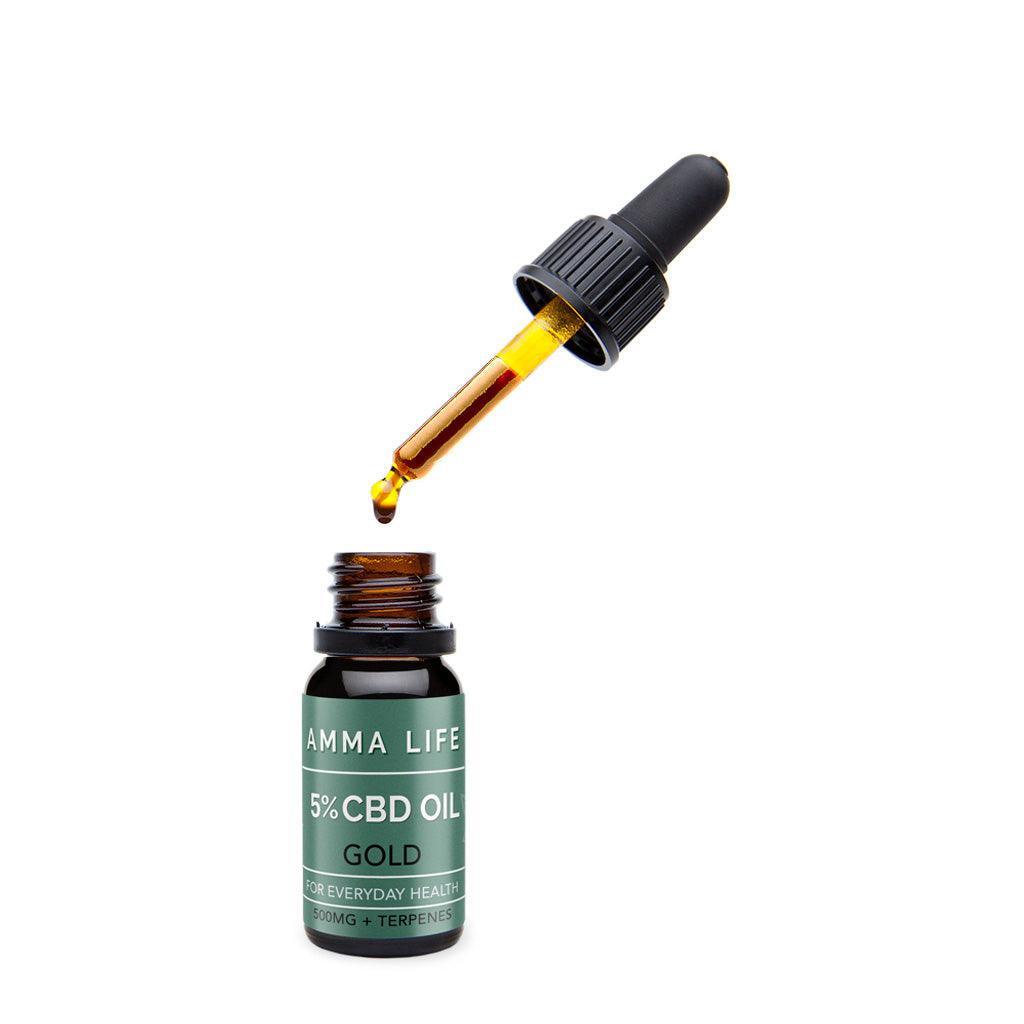
CBD Sleep Bundle (Award-Winning CBD Oil + Tea): Ideal for couples with different chronotypes or staggered bedtimes. The tea supports early evening wind-down for one partner, whilst the oil provides later bedtime support for the other. You can also share the tea together before separating for the night, creating a connection ritual. The flexible timing means both partners get exactly what they need.
Relax & Restore Bundle (Award-Winning CBD Oil + Balm): Designed for couples where physical tension or discomfort affects sleep. The balm massaged into the body can provide external support for your neck and shoulders, or other areas of the body. The oil supports internal relaxation and nervous system balance. This bundle also creates an opportunity for a shared massage ritual before bed, combining touch, connection, and CBD support.
These carefully curated Sleep & Relaxation bundles recognise that there's no one-size-fits-all solution for couples' sleep. They offer great value together with flexibility, personalisation, and the option for shared rituals when desired.
5. Staying Deeply Connected When You Sleep Apart
Sleeping separately doesn't mean disconnecting emotionally or physically. In fact, many couples discover that once they're both consistently well-rested, their connection deepens. The key is building intentional rituals that don't depend on sharing a bed.
Evening Connection Rituals
Create a consistent time to connect before separating for the night. This might include:
- Sharing tea rituals together: Sit together without phones or TV, simply talking about your day, sharing thoughts, or sitting in comfortable silence together, whilst sipping on a warm cup of CBD tea.
- Physical touch: A long hug, hand-holding, sitting close together. Touch releases oxytocin and creates bonding.
- Gratitude sharing: Each partner shares one thing they appreciated about the other that day.
These rituals take 10-30 minutes but create profound connection. They signal to both partners: "We're sleeping separately to rest well, not because we're distant."
Morning Reconnection
If schedules allow, create a morning ritual too. This might be:
- Sharing coffee or breakfast together
- A morning walk
- Simply checking in about the day ahead
- Physical affection before the day begins
Starting the day together, both well-rested and calm, often feels more connecting than ending the day together whilst exhausted and irritable.
Weekend Co-Sleeping
Many couples find that sleeping separately during the working week whilst co-sleeping on weekends offers perfect balance. Weekend mornings can include lazy lie-ins, physical intimacy, and extended time together without the pressure of weekday alarms and schedules.
This pattern protects crucial weekday sleep whilst maintaining the closeness and pleasure of shared weekend mornings. Both partners know that separation is temporary and chosen, not imposed or permanent.
Intentional Intimacy
Rather than assuming intimacy happens at bedtime (when both partners might be exhausted), plan it intentionally. This might mean:
- Earlier evening intimacy before separating to sleep
- Weekend morning connection
- Spontaneous moments that aren't tied to bedtime
- Open communication about needs and desires rather than unspoken expectations
Many couples report that removing the automatic assumption of bedtime intimacy actually improves their sex lives. When both partners are rested and intimacy is chosen rather than routine, connection often deepens.
Regular Relationship Check-Ins
Schedule weekly or fortnightly conversations specifically about your relationship. Discuss what's working, what needs adjustment, and how you're both feeling about your sleep arrangement. This prevents resentment from building and ensures both partners feel heard.
Questions to explore together:
- How is our current sleep arrangement working for each of us?
- Do we feel connected despite sleeping separately?
- What rituals are we maintaining well? What needs more attention?
- Is there anything we need to adjust or change?
- How can we support each other's sleep better?
This level of communication ensures that sleep divorce remains a practical solution rather than becoming a source of hidden tension.
Tip: Protecting each other's sleep is one of the most loving things you can do for your longterm relationship.
Reflective Questions to Shape Your Sleep Routine Together
Use these prompts to discover what works best for you and your partner. Write down your answers separately, then share and discuss them together:
- What sleep pattern feels most natural to my body? When do I naturally feel tired and alert?
- Which specific sleep challenges affect us most consistently? (Temperature, movement, timing, noise, etc.)
- How do I feel after a night of poor sleep versus good sleep? How does this affect how I show up in our relationship?
- What would an ideal evening wind-down routine look like for me personally?
- How could we create separate sleep routines whilst maintaining daily connection?
- What type of CBD support would work best for my individual sleep needs?
- When during the day do we feel most connected outside of bedtime?
- What rituals could we build that create intimacy without depending on shared sleep?
- How can we support each other's sleep needs without sacrificing our own?
- What does a well-rested version of me bring to this relationship?
These questions help clarify that protecting individual sleep isn't selfish; it's how you show up as your best self in the relationship.
Better Sleep Creates Stronger Connection
Whether you choose to adjust routines, use separate duvets, stagger bedtimes, occasionally sleep apart, or maintain fully separate bedrooms, there is no single "right" solution. Only what supports both of you to rest well and feel genuinely connected.
The most important step is simply having the conversation openly and honestly. Acknowledge that sleep incompatibility isn't a relationship failure. It's a biological reality that deserves practical solutions. When both partners prioritise rest, relationships thrive.
Explore our CBD products and bundles designed to support couples with different sleep needs:
Shop CBD Sleep & Relaxation Collection | Browse Award-Winning CBD Oils | Explore CBD Patches | Discover CBD Tea
Disclaimer: CBD products are food supplements and are not intended to diagnose, treat, cure, or prevent any disease. Individual experiences may vary. Consult with a healthcare professional before use, especially if pregnant, breastfeeding, or taking medication. You must be 18+ to purchase CBD products. Do not exceed the FSA recommended daily limit for CBD.